The Independent Uganda: You get the Truth we Pay the Price


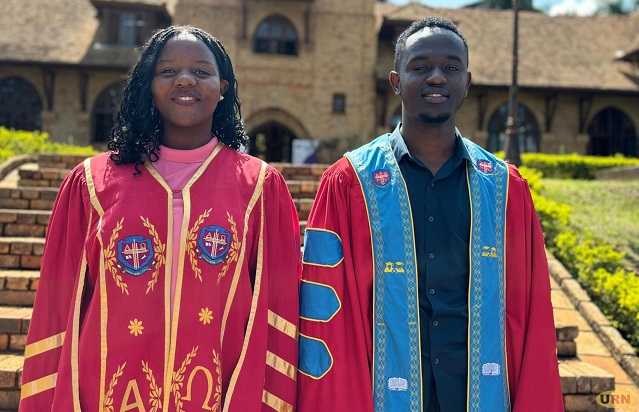
COMMENT | ANTHONY OKUCU | It is graduation day at Uganda Christian University. Today, 568 students will walk proudly across the stage to receive their degrees and diplomas — a celebration of faith, excellence, and hard work. The university community rejoices, parents beam with pride, and the graduates smile, hopeful for the future.
But beneath the joy lies a sober question: What value will these graduates add to the community? Will they be assets or liabilities to their parents, their communities, and the nation at large?
Beyond the Certificate
A degree, by itself, is not an achievement — it is an invitation to responsibility. The real measure of education is not the gown, the grade, or the title, but the impact one creates thereafter. Uganda invests heavily in its students. When they graduate, the nation expects not only job seekers but also solution bearers — men and women who apply knowledge to fix problems, innovate, and uplift others.
Every community in Uganda is waiting for graduates who can use their engineering skills to design better roads, their business degrees to create jobs, their education diplomas to raise standards in schools, and their theology to heal broken families and build character.
Assets or Liabilities?
A graduate becomes an asset when they use their learning to create value — in business, governance, community service, or innovation. They are assets when they live out integrity, diligence, and faithfulness in their work.
But a graduate becomes a liability when they depend indefinitely on parents, despise small beginnings, or remain unemployed not for lack of opportunity, but because they expect others to employ them. Education without productivity is a silent debt to society.
Our nation cannot afford a generation of educated dependents — it needs thinkers who build, not just talk; doers who create, not just wait.
The Leading Edge
The difference between an average graduate and a relevant one begins with a change of mindset. Instead of viewing a degree as a ticket to employment, the graduate must see it as a tool for problem-solving. A young agricultural scientist in Lira who starts a backyard vegetable project employing two other youths is already demonstrating more value than one who spends years chasing office jobs. The question every graduate must ask is not “Who will employ me?” but “What value can I create where I am?”
Secondly, in a rapidly changing world, continuous learning is no longer optional. The tools, technologies, and methods used five years ago are often outdated today. A civil engineer who learns computer-aided design software or a teacher who masters digital literacy becomes more competitive in the job market. The world rewards those who keep updating their skills — not those who stop learning at graduation.
Equally important is character. In a society where shortcuts and corruption often seem to pay, integrity has become the rarest and most valuable qualification. Employers may train you in skills, but they cannot train you in honesty. A graduate who handles money transparently, keeps time, and respects colleagues will always rise faster than one who is merely talented but unreliable. Character sustains success longer than brilliance ever will.
Networking also plays a silent but powerful role. Many opportunities are hidden in relationships. Graduates who join professional associations, volunteer in church or community programs, or stay connected with mentors find themselves exposed to jobs, collaborations, and business ideas. For example, many young professionals who serve on short-term community projects end up being retained or recommended for permanent employment because of the networks they build.
Lastly, service is the seedbed of success. Before you earn, you must be willing to serve. A graduate who volunteers at a school, hospital, or local NGO not only gains experience but also earns trust — and trust often opens doors that money cannot. Service builds credibility, and credibility attracts opportunity.
The Real Graduation
Walking across the stage is the formal graduation. The real graduation happens when a young man or woman steps into society and begins to make a difference.
Uganda’s progress depends not on how many graduate, but on how many become relevant. Let these 568 graduates go out not merely to survive — but to serve. Not merely to earn — but to create. Not merely to speak — but to build.
When that happens, the tussle will have truly been worth the turn.
******
 Anthony Okucu is a civil engineer, educator, and community development advocate based in Lira City.