The Independent Uganda: You get the Truth we Pay the Price


COMMENT | FLAVIA NTAMBI LWANGA | As Uganda celebrates 63 years of independence, it is an apt moment to reflect on our digital transformation journey. The clear message is: digital literacy is becoming an indispensable way forward. In a rapidly digitizing world, from finance and transport to education and communication, a crucial consideration emerges for our national development: the urgent imperative to prioritize women’s digital literacy. Women make up a substantial representation in the national population, and thus their full participation is directly tied to their potential contribution to social progress and economic growth.
The 2024 Uganda Bureau of Statistics (UBOS) national population census revealed that women constitute a substantial majority of the national population, making up 24.33 million (53%) of Ugandans, while men account for 21.56 million (47%). This demographic weight means that their full participation is directly tied to our collective potential for socio-economic progress; thus, there is a need to prioritize accelerated commitment to their education and skilling.
Women significantly contribute to our economy. In the agricultural sector, the country’s economic backbone, women contribute 77% of the labour force. To the business sector, they own nearly 40% of Uganda’s formal and informal businesses, especially small and medium enterprises that employ over 2.5 million people, among other sectors. Despite their enormous contribution, most of these economically vital women remain digitally illiterate. UBOS statistics reveal a concerning digital divide, with only 8% of women aged 15 and above using the internet, compared to 11% of men. In rural areas, the disparity widens further with just 7% of women having access to the internet, against 17% of men, which reminds us of the long journey we must undertake towards women’s digital inclusion.
The pathway to women’s digital inclusion still must navigate barriers such as limited access to digital devices, a shortage of accessible training centres, and overwhelming household responsibilities. These factors collectively prevent many women from enrolling in digital literacy programs, even when they recognize their value.
Promisingly, initiatives are emerging to close this gap. The recently launched Airtel-Africa-Tech-for-Her Initiative, targeting 100 women aged between 18-40, aims to significantly boost their employability in Uganda’s tech workforce, where they contribute only 17%. Participants have undergone an intense online training in high-demand tech skills such as Linux administration, cybersecurity, data analytics, SQL& ethical hacking and DevOps.
Similarly, the Uganda Communications Commission (UCC) through the Universal Service and Access Fund, partners with organisations to equip women in the informal sector with skills in digital marketing, content creation, and online safety. The Ministry of Education and Sports also promotes digital literacy programmes such as the African Girls’ Coding and Digital Skills Program that targets the young women. The Ugandan government is also pursuing an ambitious goal of having 90% internet connectivity for households and e-services access by 2040, which is part of its efforts towards creating an enabling environment for digital literacy programs targeting women.
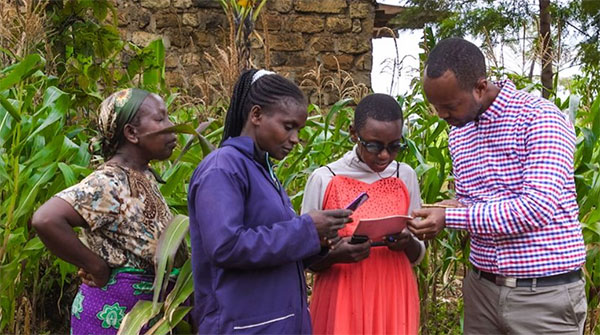
Digital literacy has empowered women to access information, grow businesses, and participate in decision-making. In districts like Mbale and Lira, digital technology allows women to use agricultural apps to connect directly with buyers, increasing their profits. Women-led micro-enterprises can also leverage platforms such as TikTok and Instagram and the use of virtual business cards to market products, learn new business strategies, and access digital financial services.
Looking ahead, telecom companies must expand affordable connectivity and offer training programmes tailored to women’s realities. Collaboration among government, the private sector, and development partners will be key in creating sustainable pathways to women’s digital empowerment. When women are digitally literate, families thrive, communities grow stronger, and the economy flourishes through innovation and inclusion. Investing in women’s digital literacy is a profound economic strategy that will drive productivity in Uganda.
****
 The writer is the Director, Human Resources at Airtel Uganda